Source Herbal Moisturizing Shower Gel for Bath, Spa, and Skin Care
Explore 30 listings for herbal moisturizing shower gel from Zhejiang, China. Buyers can compare formulations, packaging options, and customization features to find suitable body wash solutions for wholesale needs.
Key considerations
Products List




Comprehensive Sourcing Guide
Strategic Sourcing Guide for Herbal Moisturizing Shower Gel Procurement
Understanding Product Attributes and Formulation Variability
When sourcing a herbal moisturizing shower gel, buyers must first navigate the diverse landscape of product attributes that define the category. The core keyword implies a specific intersection of botanical ingredients and functional benefits, yet the actual market offerings often vary significantly in their composition and physical state. Based on observed product data, the form of these products is not limited to a single consistency; listings indicate the presence of both "Gel" and "Lotion" forms, alongside instances where the state is described as "Solid." This variability requires procurement teams to explicitly define the desired physical state in their technical specifications to avoid receiving a product that does not match the intended user experience.
The ingredient profile is a critical differentiator. While the search term emphasizes "herbal," the observed market data reveals a mix of "Herbal" and "Chemical" ingredients. A product labeled as herbal may still contain synthetic preservatives or surfactants to ensure stability and lather. Buyers should verify the specific botanical extracts used, such as Aloe, which is frequently cited in the fragrance and ingredient lists, alongside other natural components. The moisturizing feature is a standard claim across the category, often paired with refreshing, whitening, and perfumed attributes. However, the presence of a "Whitening" feature suggests the inclusion of specific active agents that may differ from standard moisturizing formulations.
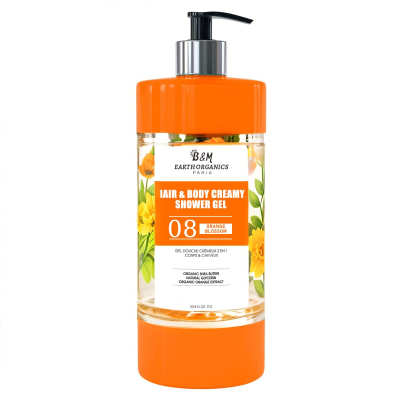
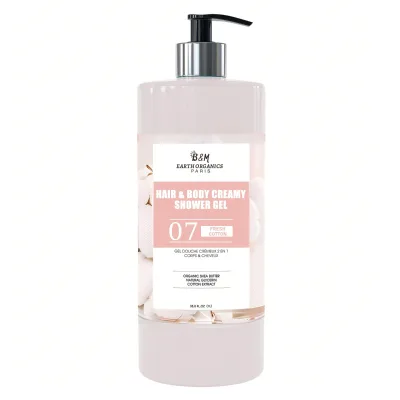
Fragrance plays a dual role in these products. While "Customized" fragrance is a common offering, allowing for private label development, specific scents like Lavender, Jasmine, Orange, and Milk are frequently observed. The "Floral" flavor profile is also noted, indicating a preference for natural scent profiles that align with the herbal positioning. It is essential to distinguish between the "Natural Fragrance" claim and the specific scent notes provided. The color of the product, ranging from Light Green, Light Blue, to Cream-Coloured, often serves as a visual cue for the ingredient type, such as green for herbal extracts or blue for a refreshing sensation, but this is an observation rather than a universal standard.
Technical Specifications and Packaging Standards
Defining precise technical specifications is the cornerstone of a successful procurement contract for shower gels. The market data indicates a wide range of standard volumes, with common sizes including 250ml, 295ml, 500ml, 750ml, and 1000ml. The "1000ml" and "500ml" standards appear frequently, suggesting these are the most prevalent SKUs for bulk distribution. However, buyers must be aware that "1-3kg" is also listed as a specification, which may refer to bulk liquid drums or custom industrial packaging rather than consumer retail units.
Packaging is another area of significant variation. The primary container material is identified as "Plastic Bottle," which is standard for the industry. However, the secondary packaging varies; some listings specify "in Bottle" for individual units, while others detail "Carton" packaging with specific configurations such as "24 PCS/Carton" or "48PCS/CTN." The carton dimensions are also critical for logistics planning, with observed sizes like 383119cm. When evaluating suppliers, procurement teams must ensure that the packaging specifications align with their distribution channel requirements. For instance, a retailer requiring smaller cartons for shelf space will need to negotiate specific carton counts and dimensions, as the standard 24 or 48 pieces per carton may not fit their logistical model.
The model numbers associated with these products, such as SG002, bw1, bw2, and BW-2-3, serve as internal identifiers for manufacturers. These codes often correlate with specific formulations or packaging types. For example, the "SG002" model is associated with a 500ml standard, while "bw1" is linked to a 295ml standard. Buyers should request a mapping of these model numbers to their corresponding technical attributes to ensure accurate ordering. Additionally, the "Brand Name" Huiji is observed in the data, but this should be treated as an example of a private label or OEM capability rather than a specific brand recommendation. The ability to customize the brand name is a key feature of the supply chain, allowing buyers to create their own unique product identity.
Compliance, Certification, and Regulatory Verification
Navigating the regulatory landscape is essential for importing and selling personal care products, particularly those marketed with herbal and moisturizing claims. The observed data lists several certifications, including MSDS, SGS, Fsc, and Saso. These certifications indicate that the supplier has undergone various safety and quality assessments. MSDS (Material Safety Data Sheet) is crucial for understanding the chemical composition and handling requirements, while SGS is a globally recognized inspection and verification company that provides quality assurance. The mention of Fsc (Forest Stewardship Council) suggests a focus on sustainable packaging materials, which is increasingly important for eco-conscious markets. Saso certification is specific to the Saudi Arabian market, indicating that the supplier may have experience exporting to the Middle East.
However, buyers must exercise caution when interpreting these certifications. The presence of a certification in a product listing does not guarantee that every unit of that model number is certified, nor does it imply that the certification covers the specific formulation being purchased. For example, while "GMP" (Good Manufacturing Practice) and "SGS" are listed as standards, the specific scope of these certifications must be verified. Buyers should request current, valid certificates that cover the specific batch or production line of the herbal moisturizing shower gel they intend to purchase.
The "ISO 22716" standard is mentioned in the background context as a trusted reference for cosmetic Good Manufacturing Practices, but it is not explicitly confirmed in the high-confidence product facts. Therefore, buyers should treat this as a benchmark to verify rather than a guaranteed attribute. When evaluating suppliers, procurement teams should ask for proof of compliance with ISO 22716 if this is a requirement for their target market. Additionally, the "Place of Origin" is consistently listed as Zhejiang, China (Mainland), which is a major manufacturing hub for personal care products. Buyers should verify that the supplier's facility in Zhejiang holds the necessary local and international certifications required for their destination market.
Cost Drivers and MOQ Considerations
The cost structure of herbal moisturizing shower gel is influenced by several factors, including formulation complexity, packaging materials, and order volume. The observed price range in the market is 0.3 to 3.55 USD, which represents a significant variance. This range likely reflects differences in ingredient quality, packaging sophistication, and order quantity. Lower prices may correspond to basic formulations with standard packaging, while higher prices could indicate premium herbal extracts, custom fragrances, or specialized packaging solutions.
Minimum Order Quantity (MOQ) is another critical cost driver. The observed MOQ range spans from 60 to 20,000 units. This wide range suggests that suppliers offer flexibility for different buyer profiles, from small startups to large distributors. A low MOQ of 60 units might be suitable for testing a new product or for small-scale private label projects, whereas an MOQ of 20,000 units is typical for large-scale production runs that benefit from economies of scale. Buyers must balance their inventory needs with their cash flow constraints when selecting an MOQ.
Customization is a key feature that impacts cost. The availability of customization for branding, fragrance, and formulation allows buyers to create unique products but often comes with a higher price point and potentially higher MOQs. The "Supply Type" is listed as OEM/ODM, indicating that suppliers are equipped to handle both original equipment manufacturing and original design manufacturing. This flexibility is a significant advantage for buyers looking to differentiate their products in a competitive market. However, the cost of customization should be factored into the total landed cost, including tooling fees for custom molds or additional charges for unique fragrance blends.
Supplier Evaluation and Quality Control Protocols
Evaluating suppliers for herbal moisturizing shower gel requires a rigorous assessment of their capabilities, quality control systems, and production capacity. The "Supply Type" of OEM/ODM indicates that suppliers are capable of adapting to buyer requirements, but this does not automatically guarantee quality. Buyers should verify the supplier's production history, specifically their experience with herbal formulations and moisturizing claims. The "Brand Name" Huiji is observed, but this should be treated as a reference point for the supplier's existing capabilities rather than a recommendation.
Quality control is paramount in the personal care industry. Buyers should implement a multi-layered quality assurance strategy that includes pre-production sample approval, in-process monitoring, and final product inspection. The "Feature" list includes Moisturizing, Refreshing, and Whitening, which are functional claims that must be validated through testing. Buyers should request test results or third-party verification for these claims to ensure the product delivers on its promises. The "Ingredient" list, which includes both Herbal and Chemical components, requires careful scrutiny to ensure that the herbal ingredients are of high quality and that the chemical components are safe and compliant with regulations.
The "Product Name" variations, such as "Hot-Selling Body Wash Private Label" and "Body Care Shower Gel Competitive Price Body Wash," suggest that suppliers are marketing these products to a broad audience. Buyers should look beyond the marketing language and focus on the technical data sheets and quality reports. The "Model Number" system, including codes like Sg02 and bw1, provides a way to track specific formulations. Buyers should ensure that the model number corresponds to the exact specifications they require, including volume, packaging, and ingredient profile.
Long-Term Procurement and Market Adaptation
Sourcing herbal moisturizing shower gel is not just a one-time transaction but a long-term strategic partnership. The "Customization" feature allows for continuous product evolution, enabling buyers to adapt to changing market trends and consumer preferences. As consumers increasingly seek natural and sustainable products, the ability to source herbal ingredients and eco-friendly packaging becomes a competitive advantage. Buyers should work with suppliers who are committed to innovation and can provide updates on new herbal extracts or sustainable packaging technologies.
The "Place of Origin" being Zhejiang, China, offers a stable supply chain with access to a robust manufacturing ecosystem. However, buyers should consider the potential risks associated with global supply chains, such as logistics disruptions or regulatory changes. Establishing a strong relationship with the supplier can help mitigate these risks by ensuring clear communication and mutual understanding of expectations. The "Fragrance" customization option allows buyers to stay ahead of trends by introducing new scents that resonate with their target audience.
In conclusion, sourcing herbal moisturizing shower gel requires a detailed understanding of product attributes, technical specifications, compliance requirements, and cost drivers. By carefully evaluating suppliers and implementing robust quality control measures, buyers can secure a reliable supply of high-quality products that meet their specific needs. The flexibility of the OEM/ODM model and the wide range of customization options available in the market provide ample opportunities for buyers to create unique and competitive products. As the market continues to evolve, maintaining a strategic approach to procurement will be essential for long-term success.
FAQs
What forms are available for herbal moisturizing shower gel?
The product is available in Gel and Lotion forms, with some listings indicating a Solid state. Buyers must explicitly define the desired physical state in their technical specifications to ensure the received product matches the intended user experience and functional requirements.
Which certifications are commonly listed for these shower gels?
Common certifications include MSDS, SGS, Fsc, and Saso, with GMP also appearing as a standard. Buyers should request current, valid certificates covering the specific batch to ensure safety and quality compliance for their target market before finalizing any procurement contract.
Can I customize the fragrance and brand name for this product?
Yes, customization is available for fragrance, including options like Lavender, Jasmine, and Aloe, as well as brand names. This feature allows for private label development, though it often impacts the final price point and may require higher minimum order quantities compared to standard SKUs.
What are the standard volume specifications for these shower gels?
Standard volumes include 250ml, 295ml, 500ml, 750ml, and 1000ml, with some bulk specifications reaching 1-3kg. Buyers should verify the model number mapping to ensure the selected volume aligns with their distribution channel requirements and packaging logistics.
Where are these herbal moisturizing shower gels manufactured?
The products originate from Zhejiang, China, which is a major manufacturing hub for personal care items. Buyers should verify that the specific facility in this region holds the necessary local and international certifications required for their destination market to ensure regulatory compliance.
What is the typical price range for these shower gels?
The observed price range spans from 0.3 to 3.55 USD, reflecting differences in ingredient quality and packaging. Lower prices typically correspond to basic formulations, while higher prices may indicate premium herbal extracts or specialized packaging solutions suitable for different market segments.